
Understanding Blood Pressure Recording Charts (PDF)
Blood pressure recording charts, often available as PDF downloads from sites like Omron Healthcare, are essential tools for tracking hypertension and overall cardiovascular health.
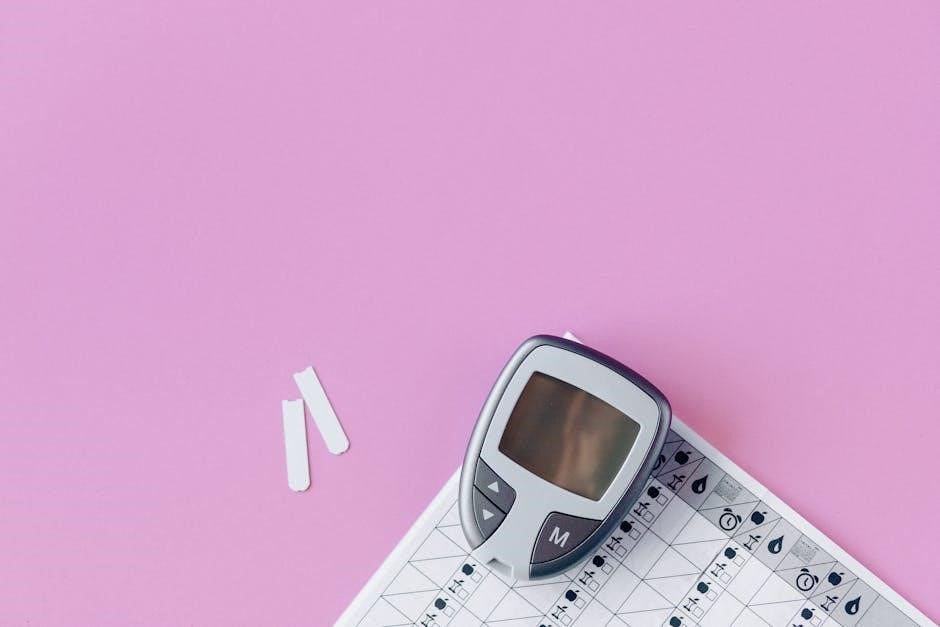
These charts facilitate consistent monitoring, aiding both patients and doctors in evaluating treatment effectiveness and identifying potential health risks over time.
What is a Blood Pressure Recording Chart?
A blood pressure recording chart is a structured document, frequently found as a downloadable PDF, designed to systematically log systolic and diastolic blood pressure readings over a period. These charts, like those offered by Omron Healthcare, typically include spaces for date, time (morning/evening), and the blood pressure values themselves.
They aren’t just random notes; they are specifically formatted diaries – sometimes labeled as “My Home Blood Pressure Monitor Diary” – intended for consistent home monitoring. The chart’s purpose is to provide a clear, visual representation of blood pressure trends, enabling individuals and their healthcare providers to assess cardiovascular health and the effectiveness of any implemented lifestyle changes or medications.
These charts help in understanding hypertension stages.
Why Use a Blood Pressure Recording Chart?
Utilizing a blood pressure recording chart, often accessible as a convenient PDF, empowers individuals to actively participate in managing their cardiovascular health. Consistent home monitoring, facilitated by these charts, provides a more comprehensive picture than infrequent clinical readings alone.
Tracking readings over time – weekly sections are common – helps identify patterns and potential issues, like high-normal or Stage 2 hypertension. Sharing these charts with your doctor, as recommended, allows for informed treatment adjustments.
Furthermore, recording charts encourage adherence to lifestyle modifications like dietary changes (low salt, low protein) and exercise, and help calculate average blood pressure accurately, ignoring initial readings for a more reliable assessment.

Blood Pressure Categories & Values
Blood pressure charts categorize readings into optimal, normal, high-normal, and hypertensive stages (Stage 1, Stage 2, and crisis), based on systolic and diastolic values.
Optimal Blood Pressure
Optimal blood pressure, as indicated on many blood pressure charts and PDF diary forms, is generally considered to be less than 120/80 mmHg. This range signifies excellent cardiovascular health and a reduced risk of heart disease and stroke.
Maintaining optimal levels through lifestyle modifications – such as a low-salt, low-protein diet, regular exercise, and smoking cessation – is crucial; Consistent monitoring using a home blood pressure monitor and recording readings on a chart allows individuals to track their progress and identify any deviations from this healthy range.
Regular check-ups with a healthcare professional are vital to confirm these readings and discuss any necessary adjustments to maintain optimal blood pressure levels. Accurate cuff fit is essential for reliable home monitoring.
Normal Blood Pressure
Normal blood pressure, as depicted on a typical blood pressure chart available as a PDF, falls within the range of less than 130/80 mmHg. This indicates healthy cardiovascular function, though it’s slightly higher than the optimal range.
Consistent monitoring with a home blood pressure monitor and diligent recording on a diary – noting both morning and evening readings – is key to maintaining this level. Utilizing weekly tracking sections on the chart helps identify trends.
Individuals with normal blood pressure should continue to prioritize healthy lifestyle choices, including weight management and regular exercise, to prevent elevation. Sharing your chart with your doctor during regular check-ups is crucial for proactive healthcare.
High-Normal Blood Pressure
High-normal blood pressure, as indicated on a blood pressure chart – often found as a downloadable PDF – registers between 130-139 mmHg systolic and 80-89 mmHg diastolic. While not yet hypertension, it signals an increased risk.
Consistent tracking using a home monitor and a detailed diary, including date, time, and both morning/evening readings, is vital. Weekly sections on the chart help identify patterns. Lifestyle adjustments, like reducing salt and protein intake, are crucial.
Regularly sharing your completed blood pressure chart with your doctor during check-ups allows for early intervention and prevents progression to Stage 1 Hypertension. Proactive monitoring is key.
Stage 1 Hypertension
Stage 1 Hypertension, clearly marked on a blood pressure chart – frequently available as a PDF for convenient tracking – is defined as 140-159 mmHg systolic or 90-99 mmHg diastolic; Consistent home monitoring, documented on a chart, is now particularly important.
Utilize the chart’s weekly tracking sections to observe trends and the impact of lifestyle changes. Lowering tactics, such as smoking cessation, weight management, and increased exercise, should be implemented. Accurate readings require a properly fitted cuff.
Share your completed PDF chart with your physician during regular check-ups to discuss potential treatment options and refine your management plan. Early intervention is crucial.
Stage 2 Hypertension
Stage 2 Hypertension, prominently indicated on a blood pressure chart – often accessible as a downloadable PDF – is characterized by readings of 160 mmHg or higher systolic, or 100 mmHg or higher diastolic. Consistent and detailed recording on a chart is vital for effective management.
The chart helps visualize the severity and consistency of elevated readings. Immediate lifestyle adjustments, including a low-salt and low-protein diet, are crucial. Document these changes alongside your readings.
Regularly share your completed PDF chart with your doctor to discuss potential medication and a comprehensive treatment strategy. Prompt medical attention is essential to mitigate risks.
Hypertensive Crisis
A Hypertensive Crisis, clearly identifiable when reviewing a blood pressure chart – frequently found as a PDF resource – demands immediate medical attention. Readings of 180/120 mmHg or higher signify a critical situation.
The PDF chart serves as vital documentation for emergency responders, detailing the severity and progression of the crisis. Symptoms accompanying these readings should also be meticulously noted on the chart.
Do not attempt self-treatment; seek emergency care immediately. Consistent monitoring, even during a crisis, helps healthcare professionals assess the situation and implement appropriate interventions. A detailed chart is invaluable in these scenarios.

Components of a Typical Blood Pressure Chart
Typical blood pressure charts (often PDF format) include spaces for date, time, systolic/diastolic values, and often separate sections for morning and evening readings.
Date and Time of Readings
Recording the date and time of each blood pressure reading is a crucial component of effective monitoring, especially when utilizing a PDF blood pressure chart. Consistent time-stamping allows for the identification of patterns and trends throughout the day and across weeks.
For example, noting whether a reading was taken in the morning or evening provides valuable context, as blood pressure naturally fluctuates. Accurate dating also helps correlate readings with lifestyle factors – diet, exercise, or medication changes – to assess their impact.
Many PDF chart formats provide dedicated columns for both date and time, ensuring a clear and organized record. This detailed information is essential when sharing the chart with a healthcare professional for a comprehensive evaluation.
Systolic and Diastolic Values
A blood pressure reading consists of two key values: systolic and diastolic, both essential to record accurately on a PDF blood pressure chart. Systolic pressure, the top number, measures the force when your heart beats. Diastolic, the bottom number, reflects the pressure when your heart rests between beats.
PDF charts typically have designated spaces for recording both values for each reading. Understanding these numbers is vital; they categorize blood pressure into ranges like optimal, normal, or hypertensive.
Consistently recording both systolic and diastolic values provides a complete picture of cardiovascular health. Healthcare providers rely on these measurements to diagnose and manage blood pressure conditions effectively, making precise recording paramount.
Morning vs. Evening Readings
PDF blood pressure charts often include sections for both morning and evening readings, recognizing that blood pressure fluctuates throughout the day. Morning readings, taken after waking and before any activity, establish a baseline. Evening readings, ideally before dinner, reveal how blood pressure responds to daily stressors and activities.
Recording both sets of measurements provides a more comprehensive view than a single daily reading. This dual tracking helps identify patterns – for example, if blood pressure consistently spikes in the evening.
Consistent timing is crucial; note the time alongside each reading on your PDF chart. This data assists healthcare professionals in assessing overall cardiovascular health and tailoring treatment plans accordingly.
Weekly Tracking Sections
Most blood pressure recording chart PDF formats incorporate dedicated weekly tracking sections. These sections typically feature columns for each day of the week – Monday through Sunday – allowing for consistent monitoring over a seven-day period. Within each day, separate spaces are provided for morning and evening readings, facilitating a detailed record of fluctuations.
This weekly format enables both patients and physicians to identify trends and patterns in blood pressure levels. Observing readings over time is more informative than isolated measurements.
Utilizing these sections within the PDF chart allows for a clear visual representation of blood pressure control and treatment effectiveness, aiding in informed healthcare decisions.

Using a Blood Pressure Chart Effectively
To maximize benefits from a blood pressure chart PDF, ensure accurate home monitoring with a properly fitted cuff and consistent timing of readings.
Accuracy of Home Monitoring
Blood pressure chart PDF usage hinges on the accuracy of readings taken at home. It’s crucial the monitor used is clinically validated for precision, ensuring reliable data for tracking. Proper technique is paramount; remain seated and relaxed for five minutes before each measurement.
Avoid caffeine, exercise, and smoking for at least 30 minutes beforehand. The cuff must fit your upper arm correctly – too loose or tight yields inaccurate results. Take multiple readings, spaced apart, and record them diligently on your PDF chart.
Remember to discard the first reading, as it’s often affected by the initial setup. Consistent methodology and a validated monitor are key to obtaining trustworthy data for effective blood pressure management.
Proper Cuff Fit
When utilizing a blood pressure chart PDF for home monitoring, achieving a proper cuff fit is absolutely critical for accurate readings. The cuff’s bladder must encircle at least 80% of your upper arm’s circumference. Too small a cuff will artificially inflate your blood pressure, while a cuff that’s too large will underestimate it.
Ensure the cuff is positioned directly over your bare upper arm, about an inch above your elbow; Avoid taking measurements over clothing, as this can significantly distort the results.
Your healthcare professional can help determine the correct cuff size for your arm. A poorly fitted cuff renders your PDF chart data unreliable, hindering effective blood pressure management.
Calculating Average Blood Pressure
When using a blood pressure chart PDF for consistent home monitoring, calculating an average reading provides a more reliable assessment than a single measurement. To obtain a meaningful average, it’s recommended to disregard the initial day’s readings, allowing time to adjust to the monitoring process.
Subsequently, record your blood pressure twice daily – morning and evening – for a minimum of three days, ideally extending to seven. Sum all systolic and diastolic readings separately, then divide by the total number of measurements to determine your average systolic and diastolic pressures.
This averaged data, meticulously recorded on your PDF chart, offers a clearer picture of your blood pressure trends for your doctor.

PDF Blood Pressure Chart Resources

Numerous websites offer downloadable blood pressure chart PDFs, including Omron Healthcare, providing printable diaries for convenient home monitoring and tracking of readings.
Omron Healthcare PDF Charts
Omron Healthcare provides a valuable resource for individuals needing to monitor their blood pressure at home, offering a selection of downloadable PDF charts specifically designed for this purpose. These charts, readily accessible on their website (www.omron-healthcare.com), are formatted as printable blood pressure diaries.
The PDF format ensures compatibility across various devices, allowing users to easily print and utilize the charts for daily tracking. Omron’s charts typically include sections for recording date, time, morning and evening readings, and often provide space for weekly tracking.
These resources are particularly helpful for individuals instructed by their healthcare provider to monitor their blood pressure regularly, enabling them to share accurate data during check-ups and contribute to effective hypertension management.
Printable Blood Pressure Diary Forms
Numerous sources offer printable blood pressure diary forms in PDF format, designed to simplify home monitoring; These forms, like those available through various healthcare providers and online resources, provide a structured way to record systolic and diastolic blood pressure readings.
Typically, these diaries include designated spaces for the date, time (morning and evening), and potentially a section for noting any relevant medications or lifestyle factors. Consistent use of these forms allows for easy tracking of blood pressure trends over time.
Patients are often encouraged to bring these completed diaries to their doctor’s appointments, facilitating informed discussions about treatment plans and overall cardiovascular health. Proper documentation is key to effective blood pressure management.

Lifestyle Factors & Blood Pressure
PDF blood pressure charts often highlight lifestyle adjustments – like reducing salt and protein intake, exercising regularly, and smoking cessation – to effectively lower blood pressure.
Dietary Considerations (Low Salt, Low Protein)
PDF blood pressure charts frequently emphasize the crucial role of diet in managing hypertension. Reducing sodium intake, often through a low-salt diet, is a cornerstone of blood pressure control, helping to minimize fluid retention and ease the strain on blood vessels.
Furthermore, some charts suggest moderating protein consumption. While protein is essential, excessive intake can potentially impact kidney function, indirectly affecting blood pressure regulation. A balanced diet, rich in fruits, vegetables, and whole grains, is generally recommended.
Consistent monitoring using a blood pressure chart allows individuals to observe how dietary changes correlate with their readings, empowering them to make informed choices for better cardiovascular health. These charts serve as a visual aid, reinforcing the connection between food and well-being.

The Impact of Exercise
PDF blood pressure recording charts often implicitly support the benefits of regular physical activity as a key component of hypertension management. Exercise strengthens the cardiovascular system, enabling the heart to pump blood more efficiently, thus lowering blood pressure.
Consistent tracking with a chart allows individuals to observe the correlation between their exercise routine and blood pressure readings. Aerobic exercises, like walking, jogging, and swimming, are particularly effective. However, it’s crucial to consult a healthcare professional before starting any new exercise program.
Monitoring trends on a chart can motivate continued adherence to an exercise plan, demonstrating the positive impact on overall health. The visual representation of progress reinforces healthy habits and empowers individuals to take control of their well-being.
Smoking Cessation
PDF blood pressure charts frequently highlight smoking cessation as a crucial lifestyle modification for managing hypertension. Nicotine temporarily raises blood pressure, and chronic smoking damages blood vessel walls, increasing the risk of heart disease and stroke.
Utilizing a blood pressure recording chart can visually demonstrate the positive effects of quitting smoking. As nicotine levels decrease, individuals may observe a gradual reduction in both systolic and diastolic blood pressure readings over time. This provides powerful reinforcement for maintaining abstinence.
Charts serve as a tangible reminder of the health benefits gained from quitting, motivating continued commitment to a smoke-free lifestyle. Combining chart tracking with support resources significantly increases the chances of successful long-term cessation.
Weight Management
PDF blood pressure charts often emphasize weight management as a cornerstone of hypertension control. Excess weight directly correlates with increased blood volume and cardiac output, forcing the heart to work harder and elevating blood pressure.
Regularly tracking blood pressure alongside weight loss efforts, using a chart, provides valuable insight into the effectiveness of dietary and exercise interventions. A consistent downward trend in blood pressure readings alongside weight reduction confirms positive progress.
Charts can motivate individuals to adhere to weight loss goals by visually demonstrating the tangible health benefits. Even modest weight loss can significantly improve blood pressure, reducing the risk of cardiovascular complications.

Sharing Your Chart with Your Doctor
PDF blood pressure charts are most effective when shared with your physician during regular check-ups, enabling informed decisions about your treatment plan and health.
Importance of Regular Check-ups
Regular check-ups with your healthcare provider are crucial, even while diligently using a blood pressure recording chart in PDF format. These appointments allow for a comprehensive assessment of your cardiovascular health, going beyond the numbers recorded at home.
Your doctor can interpret trends in your readings, considering other factors like lifestyle, family history, and potential underlying conditions. Sharing your completed PDF chart provides valuable data, but it’s not a substitute for professional medical evaluation.
They can adjust medications, offer personalized advice, and address any concerns you may have. Consistent monitoring, combined with expert medical guidance, is the most effective approach to managing blood pressure and preventing complications.
Patient Instructions for Home Monitoring
When utilizing a blood pressure recording chart, especially a PDF version for printing, adhere to specific guidelines for accurate results. Ensure you’re rested and haven’t exercised or consumed caffeine for at least 30 minutes before taking readings, as noted in patient instructions.
Take measurements at the same time each day – morning and evening are common – and record them meticulously on your chart. Proper cuff fit is paramount; follow the monitor’s instructions carefully.
Avoid talking during measurement and take multiple readings, averaging them for a more reliable value. Discard the first day’s readings to allow for acclimation to the monitoring process, as suggested for calculating average blood pressure.
Leave a Reply
You must be logged in to post a comment.