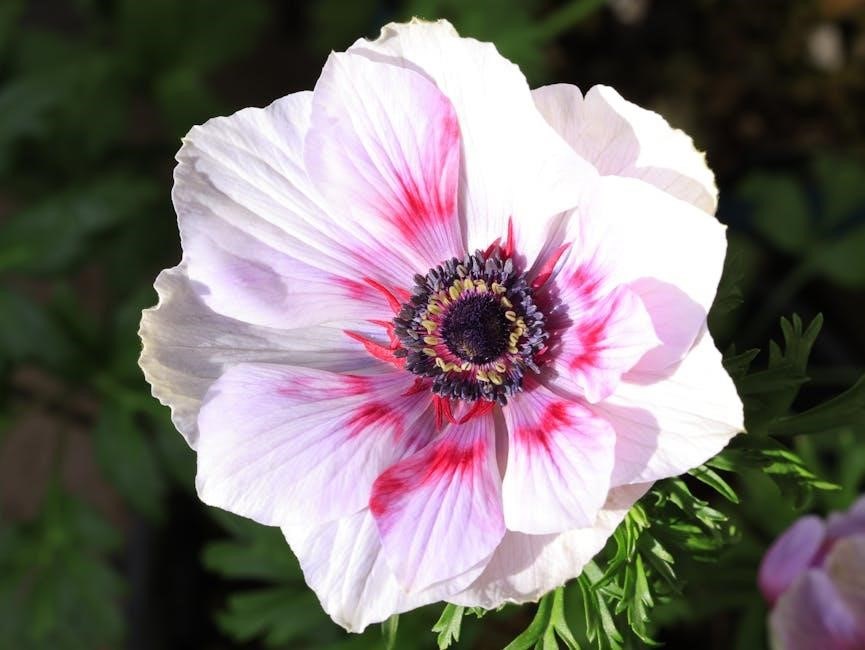
African Flower crochet is a vibrant, modular technique, blossoming with colorful hexagons; patterns are readily available as PDF downloads for crafters everywhere․
What is the African Flower?
The African Flower, also known as the hexagon flower motif, is a crochet building block celebrated for its beautiful, floral appearance and versatility․ It’s fundamentally a hexagonal shape constructed from rounds of crochet stitches, typically starting with a small center and blossoming outwards into petals․ These individual flowers are then joined together to create larger projects – blankets, garments, bags, and more!
What makes it special isn’t just its aesthetic appeal, but also its modular nature․ Each flower is a self-contained unit, making it perfect for using up yarn scraps and creating unique, colorful designs․ Many crafters seek out African Flower crochet pattern PDFs to easily access detailed instructions and visual guides․ These PDFs often include stitch diagrams, color suggestions, and guidance on joining techniques, empowering both beginners and experienced crocheters to create stunning pieces․ The motif’s adaptability allows for endless customization, fostering creativity and personal expression․
History and Origins of the Motif
The origins of the African Flower are surprisingly complex and debated! While often associated with Africa, its roots are more accurately traced to the Dutch tradition of “bloemenkransen” – flower garlands – popular in the early 20th century․ These were adapted and spread through crochet patterns published in Dutch magazines․
The motif gained significant traction in the 1990s, becoming widely known through the work of Dutch designer, Milva Speek-Schreuder, who popularized it․ It then experienced a massive resurgence in popularity in the 2010s, fueled by social media and the accessibility of African Flower crochet pattern PDFs․ These PDFs allowed the design to spread globally, with crafters sharing their creations and variations online․ Despite its name, the motif’s journey highlights a fascinating story of cultural exchange and adaptation, demonstrating how patterns evolve and find new life across continents․
Why is it Popular?
The enduring appeal of the African Flower lies in its versatility and visual impact․ The modular nature of the design makes it incredibly adaptable – from blankets and garments to accessories, the possibilities are endless! The vibrant color combinations achievable with this motif create stunning, eye-catching pieces․
Furthermore, the accessibility of African Flower crochet pattern PDFs has played a huge role in its popularity․ These PDFs offer clear instructions, making the pattern approachable for crocheters of all skill levels․ The relatively simple construction, once mastered, allows for mindful, repetitive crafting․ The ability to customize colors and layouts fosters creativity, and the strong online community sharing their projects provides inspiration and support․ It’s a beautiful, rewarding craft with a global reach!
Materials Needed for African Flower Crochet
PDF patterns guide you; gather yarn, a crochet hook, scissors, and a yarn needle to begin crafting beautiful African Flower motifs easily․
Yarn Choices (Weight, Fiber)
When selecting yarn for your African Flower projects, considering the PDF pattern’s recommendations is crucial․ DK or worsted weight yarn are popular choices, offering good stitch definition and a manageable fabric weight․ Cotton yarn is frequently favored for its vibrant color display and durability, especially for blankets and items needing frequent washing․
Acrylic yarn provides a budget-friendly alternative, available in a vast spectrum of colors, though it may not have the same luxurious feel as natural fibers․ Wool or wool blends add warmth and texture, ideal for hats and winter accessories․ The fiber content impacts drape and washability, so align your choice with the project’s intended use․
PDF patterns often suggest specific yarn brands or fiber compositions to achieve the desired look․ Experimenting with different yarn weights and fibers can create unique textures and effects, but always check gauge against the pattern!
Crochet Hook Size Recommendations
The appropriate crochet hook size is vital for achieving the correct gauge in your African Flower project, as indicated in the PDF pattern․ Generally, a 3․5mm (E/4) or 4․0mm (G/6) hook works well with DK weight yarn, while a 4․5mm (7) or 5․0mm (H/8) hook suits worsted weight yarn․ However, always prioritize the pattern’s recommendation, as yarn weights can vary between brands․
Your personal tension also influences hook size; if your stitches are too tight, go up a hook size, and if they’re too loose, go down․ A smaller hook creates denser fabric, while a larger hook results in a looser, drapier fabric․
Many PDF patterns include a gauge swatch instruction – completing this is essential to ensure your finished project matches the intended size and design․ Don’t hesitate to experiment to find the perfect hook for your yarn and tension!
Other Essential Tools (Scissors, Yarn Needle, Stitch Markers)
Beyond your yarn and hook, several tools elevate the African Flower crochet experience, especially when working from a PDF pattern․ Sharp scissors are crucial for cleanly cutting yarn ends․ A yarn needle, also known as a tapestry needle, is indispensable for weaving in those ends securely, creating a polished finish․
Stitch markers are incredibly helpful, particularly when navigating complex patterns or joining flowers․ They mark important stitches, rounds, or petal placements, preventing errors․ Consider using different colored stitch markers for clarity․
A row counter can also be beneficial for keeping track of rounds, especially in larger projects․ Finally, a blocking board and pins are recommended for achieving a professional, flat finish after assembling your creation, as often detailed in the PDF instructions․

Basic African Flower Construction
African Flower motifs begin with a magic ring; a PDF pattern guides you through rounds, building petals, and mastering the core joining technique easily․
Creating the First Round – The Center
Starting the center of your African Flower is fundamental, and most PDF patterns begin with a magic ring or a chain of stitches worked into a ring․ This creates a tightly closed circle, forming the base for your flower’s petals․ Many beginner-friendly patterns offer detailed photo tutorials within the PDF to illustrate this crucial step․
Typically, you’ll work a specified number of double crochet stitches (often 12) into the ring․ The pattern will clearly state the stitch count for each round․ Ensure your tension is consistent to maintain a neat, circular shape․ Some PDFs may suggest using a stitch marker to keep track of the beginning of each round, especially helpful for beginners․
After completing the first round, gently pull the magic ring tight to close the center․ This creates a solid foundation for subsequent rounds and prevents gaps․ A well-executed center is vital for a beautifully formed African Flower, so take your time and refer closely to your chosen PDF pattern!
Working Rounds 2-5 – Petal Formation
Rounds 2-5 are where the African Flower truly takes shape, forming its distinctive petals․ Your PDF pattern will guide you through increasing the stitch count in each round, typically using clusters of double crochet stitches․ These clusters create the petal-like structures․ Pay close attention to where the increases are placed, as this defines the petal’s shape․
Most patterns involve working two double crochet stitches into each stitch (or cluster) from the previous round to achieve the increase․ The PDF may use abbreviations like “2dc in next st” to indicate this․ Color changes often occur during these rounds, adding vibrancy; The pattern will specify when and how to change colors, usually at the end of a round․
Carefully follow the stitch counts provided in the PDF; incorrect counts can lead to misshapen petals․ Blocking after completion helps to even out the petals and create a polished look․ Remember, consistent tension is key throughout these rounds for a uniform flower!
Joining Petals – The Core Technique
Joining petals is fundamental to African Flower crochet, transforming individual motifs into larger projects․ Your PDF pattern will illustrate the preferred joining method, commonly a slip stitch or single crochet join․ The key is to join petals securely, yet subtly, to maintain the flower’s definition․
Many patterns advocate joining through specific points on the petals – often the base of a petal cluster – to create a flat, even surface․ The PDF may include diagrams showing exactly where to insert your hook․ Some designers prefer a “flat slip join” for a nearly invisible seam․
When following a PDF, note if the join is worked on the right or wrong side of the work․ Consistent joining technique is crucial for a professional finish․ Practice this technique before embarking on a large project․ A well-executed join enhances the overall aesthetic of your African Flower creation!
Variations on the Classic African Flower
African Flower crochet offers endless creativity; PDF patterns showcase diverse petal shapes, colors, and textures, inspiring unique and personalized floral designs․
Different Petal Shapes & Sizes
African Flower crochet truly shines with its adaptability! While the classic pentagonal petal is iconic, PDF patterns reveal a universe of possibilities․ Explore patterns featuring rounded petals for a softer look, or pointed petals for a more dramatic effect․ Some designers offer patterns with varying petal counts – six, seven, or even eight – altering the flower’s overall shape and density․
Size variations are equally exciting․ Miniature flowers, created with finer yarn and smaller hooks, are perfect for delicate embellishments․ Conversely, oversized flowers, utilizing bulky yarn, make bold statements in blankets and wall hangings․ Many PDF resources provide instructions for scaling the flower up or down, allowing you to customize projects to your desired dimensions․ Don’t be afraid to experiment with combining different petal shapes and sizes within a single project for a truly unique and textured finish!
Consider how petal shape impacts the joining process; pointed petals might require slightly different techniques than rounded ones․
Color Combinations & Techniques (Stripes, Gradients)
African Flower crochet offers endless creative freedom with color! Many PDF patterns showcase stunning combinations, but don’t limit yourself․ Stripes are easily achieved by changing colors within each round or petal, creating bold, graphic designs․ Gradient effects, transitioning smoothly between shades, add depth and visual interest – look for patterns specifically designed for gradients, or adapt existing ones․
Consider using self-striping yarn for an effortless, pre-planned color sequence․ Hexagon flowers lend themselves beautifully to color blocking, using contrasting shades for petals and centers․ PDF resources often include color palettes for inspiration, or you can create your own using online tools․
Experiment with analogous (colors next to each other on the color wheel) or complementary (opposite colors) schemes․ Remember to account for yarn dye lots to ensure consistent color throughout your project!
Adding Texture (Bobbles, Popcorn Stitch)
Elevate your African Flower crochet beyond the flat hexagon with textural stitches! While many basic PDF patterns focus on simplicity, incorporating bobbles or popcorn stitches adds delightful dimension; Bobbles, created by multiple increases within a stitch, create small, rounded bumps․ Popcorn stitches, formed by a cluster of double crochet stitches, offer a more pronounced, raised effect․
Look for PDF resources that specifically demonstrate how to integrate these stitches into the petal structure․ You can add them to the center of the flower, along the petal edges, or even throughout the entire motif․ Experiment with varying the placement and density of the texture for unique results․
Remember that adding texture will consume more yarn, so adjust your quantities accordingly․ Consider the overall aesthetic – subtle texture adds interest, while bolder textures create a statement piece!

Joining African Flowers Together
PDF guides detail joining methods; slip stitch or single crochet are common, creating blankets or garments from individual African Flower motifs seamlessly․
Methods for Joining (Slip Stitch, Single Crochet)
African Flower crochet projects often involve joining numerous motifs, and understanding the techniques is crucial․ Many PDF patterns demonstrate two primary methods: slip stitch and single crochet joins․ Slip stitch joins create a relatively flat seam, ideal when you want the flowers to remain the focal point without a prominent border․ They’re quick and easy, perfect for larger projects where minimizing bulk is important․
Single crochet joins, conversely, offer a more defined and durable seam․ This method adds a slight ridge, which can be aesthetically pleasing and provides extra strength, especially for items receiving frequent use like blankets or bags․ PDF instructions often include visual aids showing exactly where to insert the hook and how to execute each stitch for a neat finish․ Experimenting with both methods allows you to choose the best option based on your project’s needs and desired appearance․ Remember to maintain consistent tension for a professional look!
Creating Seamless Joins
Achieving truly seamless joins in African Flower crochet elevates your finished project, giving it a polished, professional appearance․ Many advanced PDF patterns detail techniques beyond basic slip stitch or single crochet․ The ‘invisible join’ is popular, cleverly hiding the yarn tail within the stitches for a clean finish․ Another method involves working the joining yarn through the back loops only, minimizing bulk and creating a flatter seam․
Careful yarn management is key; weaving in ends as you go prevents a large finishing task․ Some designers incorporate the join into the flower’s structure, creating a continuous flow․ Detailed PDF guides often feature close-up photos illustrating these subtle techniques․ Practice these methods on scrap flowers before tackling your main project․ A seamless join isn’t just about aesthetics; it enhances the drape and comfort of your finished piece!
Blocking for a Professional Finish
Blocking is a crucial final step in African Flower crochet, transforming a somewhat chaotic collection of hexagons into a beautifully refined piece․ Many comprehensive PDF patterns emphasize its importance, often including specific blocking instructions․ Wet blocking is common – gently soaking the finished piece, pinning it to shape on a blocking board, and allowing it to dry completely․
This process evens out stitches, opens up the flower petals, and ensures consistent sizing․ Steam blocking is another option, using a low steam setting to reshape the crochet․ Always test a small swatch first! Detailed PDF guides will advise on appropriate water temperature and pinning techniques․ Blocking dramatically improves drape, especially for blankets and garments․ Don’t skip this step – it’s the secret to a truly professional-looking finish!
African Flower Crochet Projects
PDF patterns unlock a world of creativity: blankets, garments, and accessories bloom from these hexagons, offering endless project possibilities for all skill levels․
Blankets & Throws
African Flower blankets and throws are arguably the most popular projects, and thankfully, countless PDF patterns cater to every aesthetic! From baby blankets featuring pastel shades to queen-sized throws bursting with bold colors, the possibilities are truly limitless․ Many patterns offer detailed instructions, including yarn quantities, gauge information, and clear stitch diagrams․
You’ll find patterns designed for beginners, focusing on simple joins and repetitive motifs, as well as more complex designs incorporating different flower variations and intricate layouts․ Searching online marketplaces and designer websites reveals a treasure trove of options, often with accompanying video tutorials․ Consider the desired size and weight when selecting a pattern; larger blankets require more yarn and time, while lighter-weight throws are perfect for warmer climates․ Don’t hesitate to customize a pattern by altering the color scheme or adding a border to create a truly unique heirloom piece!
Hats & Beanies
African Flower motifs add a unique, textured element to hats and beanies, and numerous PDF patterns are available to guide you! These patterns often utilize smaller flowers, strategically placed to create a beautiful, fitted shape․ You’ll discover designs ranging from simple flower crowns for babies to stylish beanies adorned with a single, prominent bloom․
Many patterns include instructions for different sizes, ensuring a comfortable fit for everyone․ Look for patterns that clearly explain how to shape the hat around the crown and incorporate the flowers seamlessly․ Some designers offer variations with brims or earflaps for added warmth and protection․ When searching for a pattern, consider the yarn weight; lighter yarns create delicate hats, while bulkier yarns result in warmer, more substantial beanies․ Remember to check the gauge to ensure accurate sizing and a perfect fit!
Bags & Purses
African Flower crochet lends itself beautifully to creating unique and eye-catching bags and purses, with a wealth of PDF patterns available online․ These patterns range from small coin purses and cosmetic bags to larger tote bags and market shoppers․ The hexagonal motifs can be arranged in countless ways, offering endless design possibilities․
Many patterns incorporate sturdy lining fabrics and closures like zippers or buttons for practicality․ Look for patterns that detail how to reinforce the handles and base of the bag for durability․ You’ll find designs utilizing a single large flower as a focal point, or intricate arrangements of multiple blooms․ When selecting a pattern, consider the desired size and functionality․ Don’t forget to check the yarn weight recommendation – cotton or acrylic blends are popular choices for bags due to their strength and washability!

Finding African Flower Crochet Patterns (PDFs)
African Flower crochet patterns in PDF format are abundant online, ranging from free resources to premium designs from talented crochet artists and designers․
Free Pattern Resources Online
Numerous websites offer beautiful African Flower crochet patterns as free PDF downloads, perfect for beginners and experienced crocheters alike․ Ravelry, a vast online community for knitters and crocheters, boasts a substantial collection of user-submitted African Flower designs, often available as free PDFs․ Look for patterns tagged with “African Flower” or “Hexagon Flower․”
Websites like LoveCrafts and Yarnspirations frequently feature free crochet patterns, including variations of the African Flower motif, downloadable as PDFs․ Many independent crochet bloggers also generously share their African Flower creations with free PDF instructions on their personal blogs․ A quick Google search for “free African Flower crochet pattern PDF” will yield a wealth of options․
Don’t forget to check out platforms like YouTube, where many crocheters provide video tutorials alongside downloadable PDF pattern links․ Remember to respect the designer’s copyright and terms of use when utilizing free patterns․
Paid Pattern Websites & Designers
While many free African Flower crochet patterns exist, investing in paid PDFs often unlocks more intricate designs and detailed instructions․ Etsy is a treasure trove, showcasing independent designers offering unique African Flower variations as downloadable PDFs․ Ravelry also features a marketplace where designers sell their premium patterns․
Websites dedicated to crochet patterns, such as LoveCrafts and Designer Crafts, curate collections from various designers, including many specializing in the African Flower motif, available as instant PDF downloads․ Look for established designers like Dedri Uys, renowned for her extensive African Flower blanket designs․
Purchasing PDF patterns supports the creators and often includes benefits like clear charts, stitch diagrams, and designer assistance․ Consider exploring pattern bundles for greater value and a wider range of African Flower projects․
Understanding Pattern Instructions & Charts
When working with an African Flower crochet pattern PDF, familiarize yourself with the designer’s abbreviations and terminology․ Most PDFs include a key defining stitches like dc (double crochet) or sl st (slip stitch)․ Charts visually represent the flower’s construction, showing petal placement and color changes – a helpful aid alongside written instructions․
Pay close attention to the round-by-round instructions, noting stitch counts for each round․ Many patterns use parentheses to indicate stitch repetitions․ Understand how petals are joined; some PDFs offer photo tutorials for clarity․ Look for notes on gauge, though it’s less critical for African Flower projects than for fitted garments․
Don’t hesitate to use stitch markers to track your progress, especially when changing colors․ A well-written PDF will guide you through each step, but practice and patience are key!

Advanced Techniques & Tips
African Flower crochet pattern PDFs often inspire customization; explore complex colorwork, intricate joins, and unique layouts beyond the basic hexagon form․
Working with Multiple Colors Efficiently
When tackling African Flower crochet projects using a PDF pattern, managing multiple colors is key to a smooth workflow․ Many patterns are designed with specific color palettes, but don’t be afraid to experiment! To avoid constantly re-attaching yarn, consider the “yarn carrying” method – holding unused colors alongside your working yarn and bringing them in when needed․
This minimizes end weaving later․ Alternatively, the “split yarn” technique involves holding two strands of yarn together, splitting them at each color change․ For complex patterns, pre-winding bobbins or yarn cakes for each color can be incredibly helpful, preventing tangles and keeping everything organized․
Pay close attention to the PDF pattern’s color change instructions; some suggest finishing a round with a color before switching, while others advocate changing mid-round․ Planning your color sequence beforehand, perhaps sketching it out, will streamline the process and enhance your enjoyment of this beautiful craft․
Troubleshooting Common Issues (Edges Curling, Uneven Petals)
Even with a detailed African Flower crochet PDF pattern, issues can arise․ Curling edges often indicate tight tension; try loosening your grip on the yarn․ Conversely, uneven petals frequently stem from inconsistent tension throughout the round․ Regularly checking your gauge against the pattern is crucial․

If petals appear wonky, ensure you’re correctly counting stitches in each round – it’s easy to miss or add one! Blocking your finished flowers is a game-changer; gently steaming or wetting and pinning them into shape will even out imperfections․
Don’t hesitate to revisit the PDF pattern’s stitch diagrams if you’re unsure about a particular technique․ Finally, remember that slight variations are part of the handmade charm; embrace them and enjoy the process!
Customizing Patterns to Your Skill Level
Many African Flower crochet PDF patterns offer variations, but don’t be afraid to adapt them! Beginners can simplify complex designs by using fewer color changes or omitting textured stitches․ Conversely, experienced crocheters can challenge themselves by adding intricate borders or experimenting with different joining methods․
If a pattern calls for techniques you’re unfamiliar with, search for online tutorials before starting․ You can also modify the size of the flowers – adjust the number of rounds to create larger or smaller motifs․ Remember to recalculate yarn requirements if significantly altering the design․
Ultimately, a PDF pattern is a guide, not a rigid rulebook․ Feel empowered to personalize it and create something truly unique that reflects your skill and style!
Leave a Reply
You must be logged in to post a comment.